Diego Quemada-Diez
WRITER & DIRECTOR
Born in the Iberian Peninsula. He has lived on the American continent for over three decades. Nationalized Mexican.
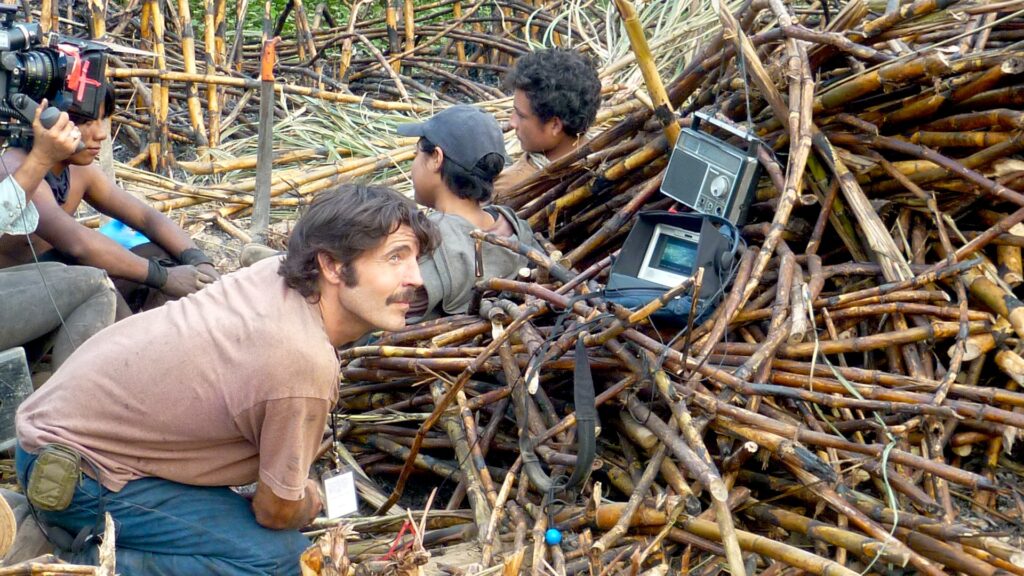
His first job in the film industry was as a clapper loader in Land & Freedom (1995), a film by British Director Ken Loach, shot by cinematographer Barry Ackroyd.
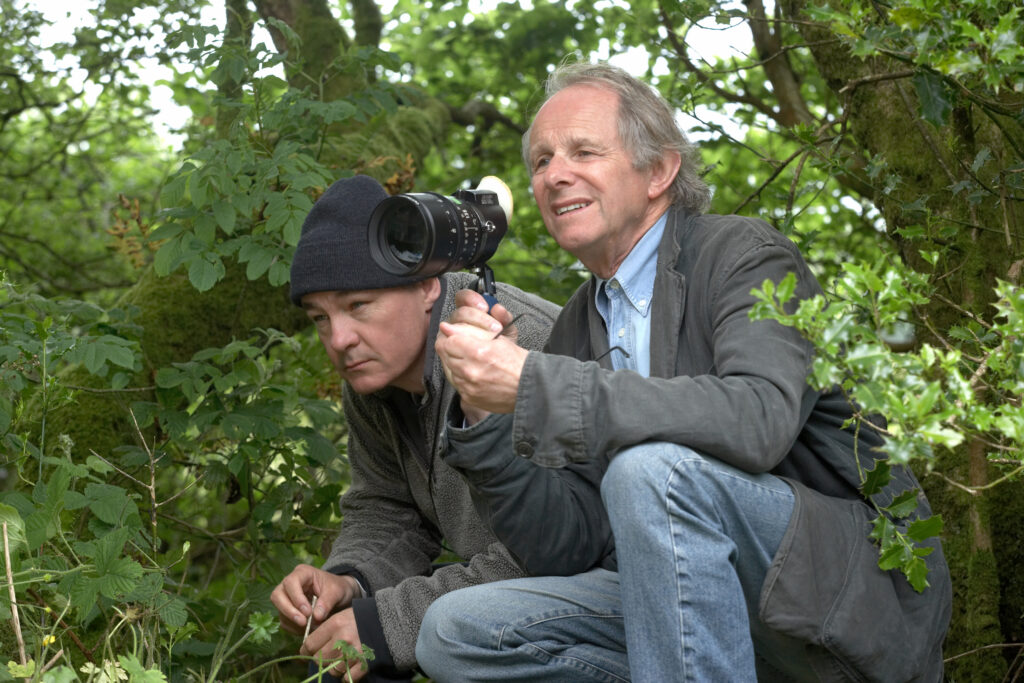
He worked his way up the ladder camera assisting in films with Academy Award winner Chris Menges, Aleksei Rodionov, Oliver Stone, Isabel Coixet, Paul Cameron, Malik Sayeed, Bobby Bukowski, and others. He then took a break to study the craft of cinematography, storytelling, screenwriting, editing and directing at the American Film Institute (AFI), learning from David Lynch, Terence Malick, Gil Dennis, Lou Morheim, Bill Dill, John Alonzo, Stephen Burum, Dante Spinotti, Roger Deakins, Owen Roizman, Bill Pope, László Kovács, Vilmos Zsigmond, John Frankenheimer, and several other film masters. After his first year, he was awarded the Anthony Hopkins Amex honorific scholarship and was able to continue his studies.
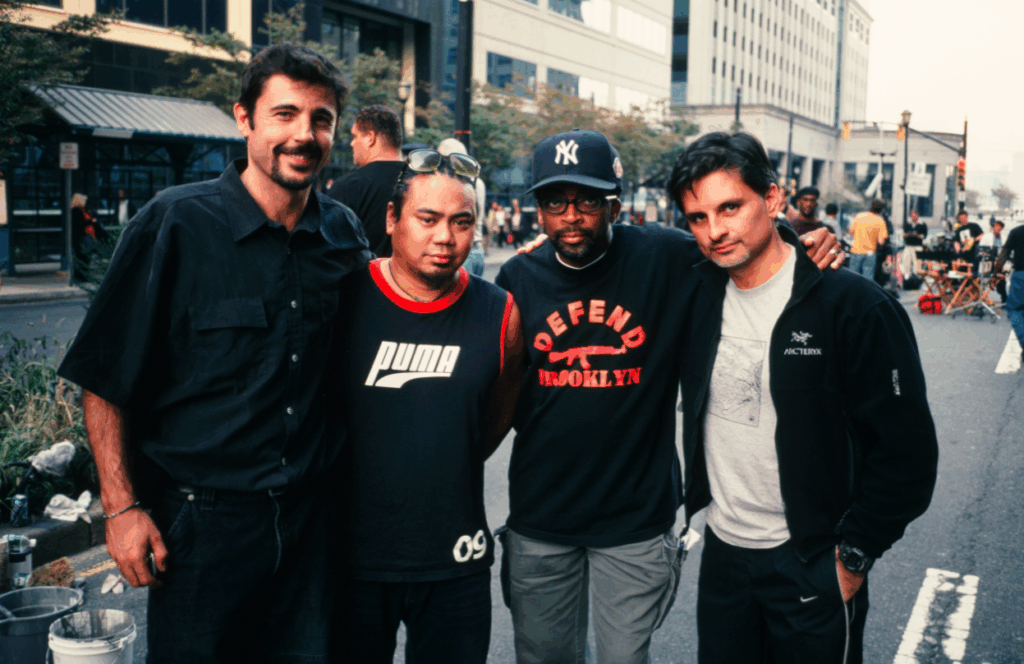
His graduation film as a writer/director/dop, A Table is a Table, won the Best Cinematography Howard Surtees Heritage Award given by the American Society of Cinematographers (ASC) for its visual narration, poetic mood, and contrasted lighting. Noticed by Rodrigo Prieto, he was hired to collaborate as B-Camera Operator with Alejandro Gonzalez Inarritu in 21 Grams, by Paul Cameron with Tony Scott on Man on Fire, by Cesar Charlone with Fernando Meirelles on The Constant Gardener, by Matthew Libatique with Spike Lee, among others.
Thanks to participating in over 30 films he had the opportunity to work along great cast like Rachel Weisz, Ralph Fiennes, Danny Huston, Denzel Washington, Al Pacino, James Woods, Dennis Quaid, Cameron Diaz, Daniel Auteuil, Brian Cox, Adrien Brody, Jim Carey, Benicio del Toro, Sean Penn, Melissa Leo, Woody Harrelson, Lili Taylor, Seymour Cassel, John Turturro, Frances McDormand, Monica Bellucci, Lupita Nyong’o, Angelina Jolie, Anthony Mackie, Francisco Rabal, Penelope Cruz, Ariadna Gil, Rossy de Palma, Vincent Perez, Iciar Bollain, Rosana Pastor, Florence Faivre, Ellen Burstyn, John Savage, Ellen Barkin, Nadine Labaki, Ian Hart to name some.
Thanks to all those professional experiences, by observing, reflecting, and studying, he learnt the directing craft and created his own method.
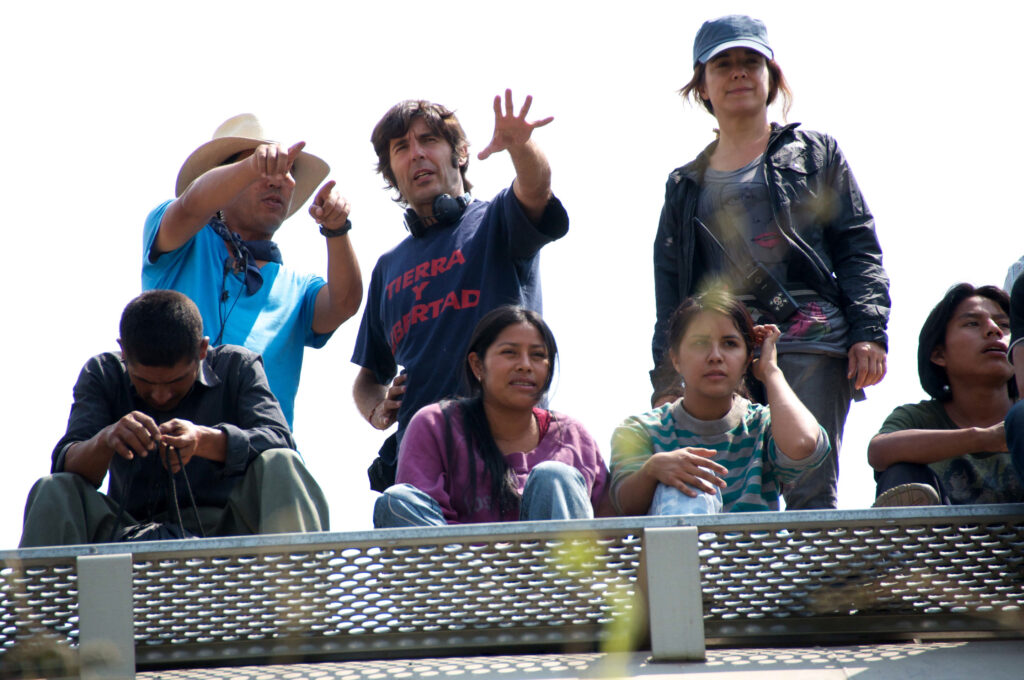
During breaks from traveling around the world, he wrote, shot, and directed his own short films, as well as researched possible stories in Mexico.
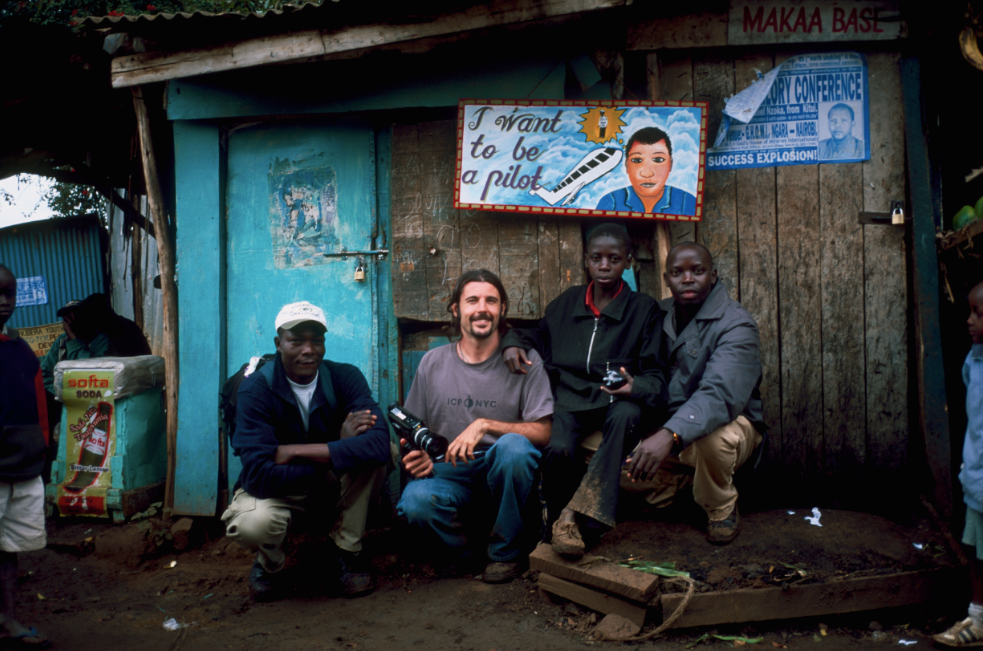
In 2006, he premiered his second short film, I Want to Be a Pilot, as writer, director, and cinematographer, at the Sundance Film Festival. The film, shot on Super-8 cartridges and transferred to 35mm prints, went on to participate in over 200 festivals around the world and received over 50 awards.
Soon after, he presented the short documentary La Morena at the Morelia Film Festival. In 2008, his feature film screenplay on migrant children received a development grant from the Amiens Film Festival.
In 2010, he won a scholarship awarded by Cannes Film Festival Cinéfondation, which enabled him to participate in the Cannes Film Festival Atelier workshop with his first long-feature film, La Jaula de Oro (The Golden Dream), and partnered with Camera d´Or Leap Year Producer Edher Campos.
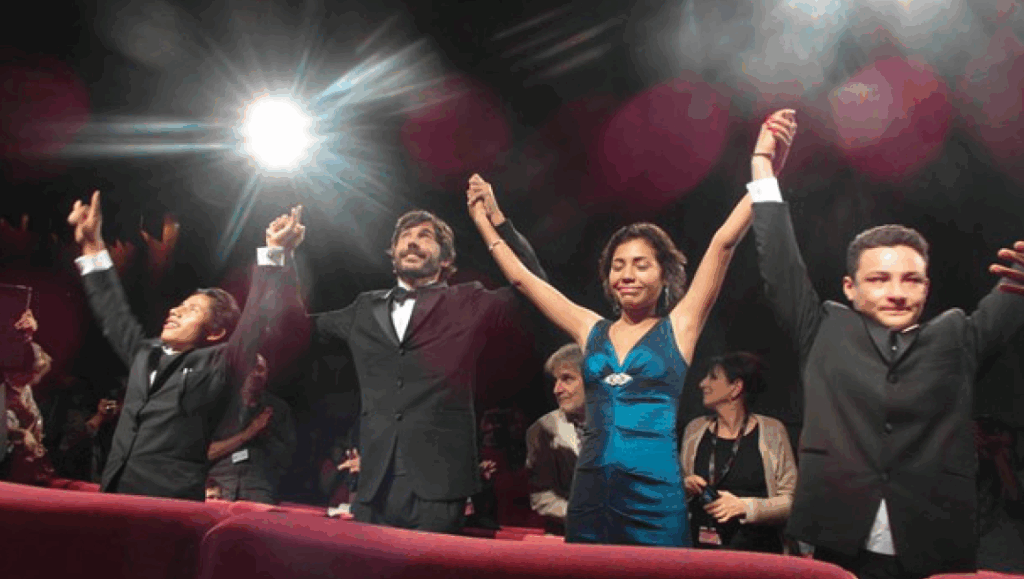
A few years later, after over a decade of hard work, focused dedication, research, and writing, the film premiered at the Cannes Film Festival -Un Certain Regard Official Selection- with one of the longest ovations ever recorded, winning the Un Certain Talent Award for the acting ensemble and his directing given by the jury presided by Thomas Vinterberg, the Gillo Pontecorvo Award for its political intelligence, integrity, passion, as well as the Francois Chalais Special Mention Award. The plight of migrants was finally presented, and the commitment to tell their story to others was honoured.
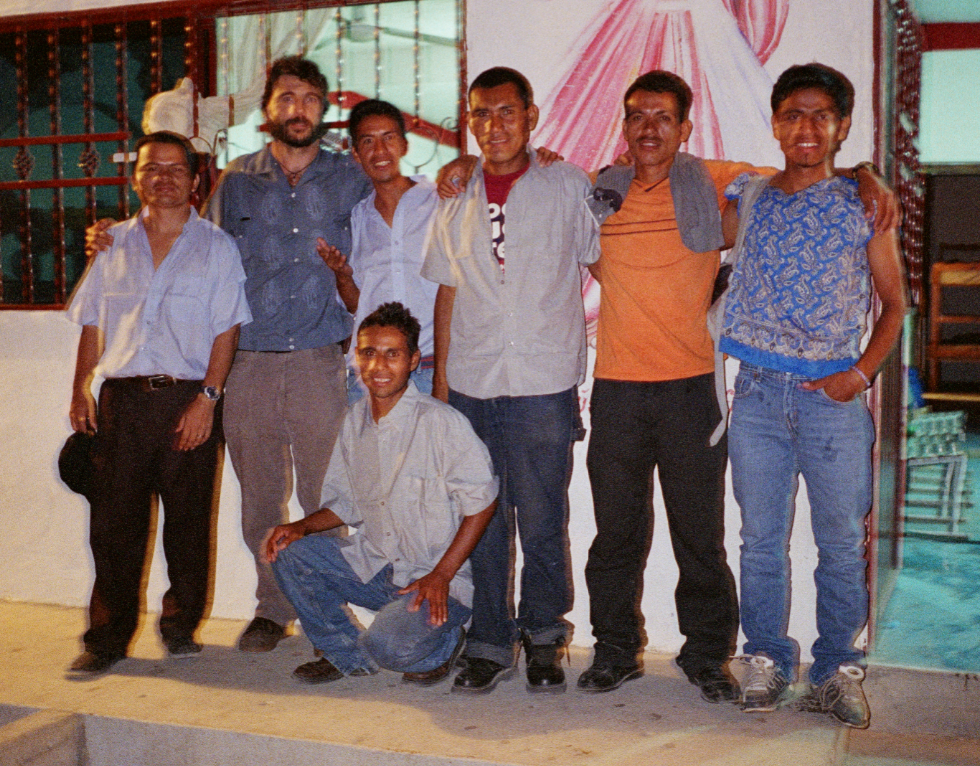
Arriaga shelter (2000)
As a Director he has won Best Director from the Satjavit Ray Foundation at the London FF, the Prix Jean Renoir des Lycéens in France, Best New Director Hugo Award at the Chicago FF, Best Director at Tesalonica FF, Havana FF, New York FF, Vladivostock FF, Luis Buñuel Calanda FF, New Directors Special Mention at the Sao Paulo FF, Best Director at the Latin ACE Awards in NYC, Best First Film in Lima, La Habana, Dominican Republic, and Morelia.
The film won Best Film in Zurich (Golden Eye), Mumbai (Golden Gateway of India), Mar del Plata (Astor de Oro), Thessalonica (Golden Alexander Theo Angelopoulos), Best Picture in San Petersburg, Grifone d’Oro in Italy, Best Feature Film in Vina del Mar, Seattle, and others. In its Mexican premiere at the Morelia Film Festival, the film won three awards: Audience Award, Best First Film, and Press Guerrero Award. The film won 9 Arieles Awards from the Mexican Film Academy, including Best Film, Best First Film, Best Original Screenplay, the Audience Award at the Morelia Film Festival, and Best Iberoamerican Film at the Fenix Iberoamerican Awards. The film was eligible for the 88th Academy Awards.
His first feature film has been sold to over 40 countries, played at HBO, Canal Plus, Amazon, and others. In its Mexican theatrical release, the film became the 6th highest-grossing Mexican film and the highest Mexican box office film at the Cineteca Nacional and in France. La Jaula de Oro has received 81 awards, becoming the most-awarded Mexican film in history and one of the most-awarded in the world.
At the Fribourg International Film Festival’s Carte Blanche section, Ken Loach selected five films as his all time favourites: La Jaula de Oro (The Golden Dream), Bicycle Thieves by Vittorio de Sica (1948), The Battle of Algiers by Gillo Pontecorvo (1966), The Loves of a Blonde by Milos Forman (1965), Closely Watched Trains by Jiri Menzel (1966).
In Australia, journalist, documentary filmmaker John Pilger selected the film. Alexander Payne chose it as his favorite film that year together with Ida by Paweł Pawlikowski. Javier Espada, documentary filmmaker and Luis Buñuel´s expert, drew parallels with Los Olvidados. Screenwriter Paul Laverty chose it as one of his favorite films and compared it with The Grapes of Wrath.
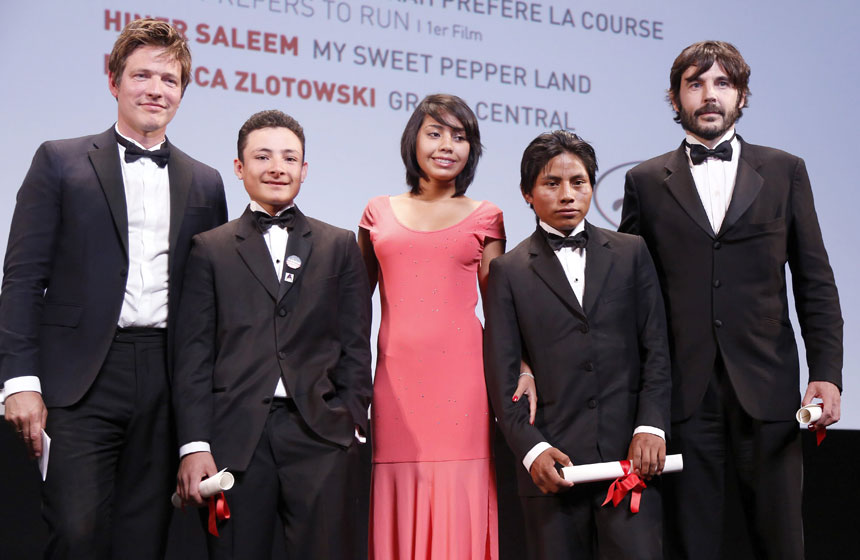
Diego Quemada-Diez was nominated for the National Arts Award in Mexico, Camera d´Or at the Cannes Film Festival in France, and has participated as a jury at the Morelia Film Festival, Lima, San Cristobal de las Casas, Merida, and others.
After the release of his first feature film, he was chosen as one of the 50 most influential Mexicans along with Alejandro Gonzalez Iñarritu, Alfonso Cuarón, and Diego Luna. He has been invited to give workshops, talks in several national universities, museums and institutions in Mexico (Museo Tamayo, CCC, UAM, UNAM, Instituto Tecnológico de Monterrey, Universidad Panamericana, Campeche University, Colegio Madrid, Fundación Elena Poniatowska, Escuela de Cine Itinerante, Casa Wabi, Ernst & Young, Semana de las Ideas), migrant shelters, communities (Saltillo, Puebla, Oaxaca, Chiapas, Baja California), and around the world (Harvard, Chicago, Cambridge, Paris, London, Mongolia, Toulouse, ECAM Film School-Madrid).
To date, there are thousands of academic papers written about La Jaula de Oro (The Golden Dream). But most importantly, the film gave voice to a community abused by authorities, criminals on both sides of the border, and used politically by all parties to divide, justify control over human beings’ right to move freely on this planet.
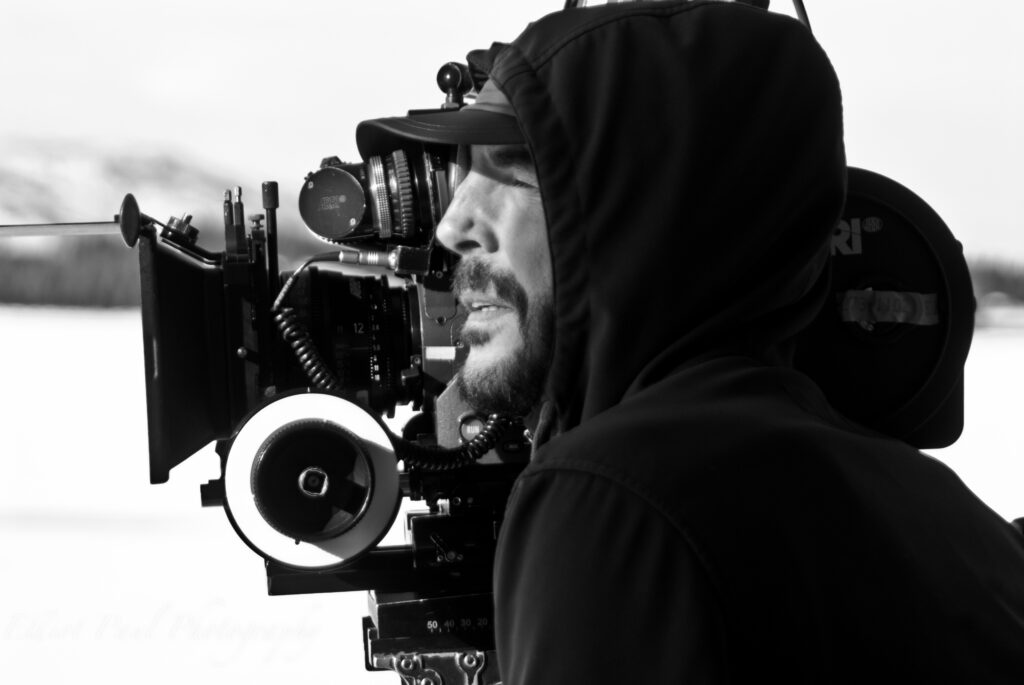
His new feature film, The Ballad of Lola (first called Operation Atlas, The Atlas Dossier), also based on long, detailed research, has been awarded grants from the prestigious Mexican National Creator System (SNC), the Mexican Film Institute, as well as Cinereach in the US, Cinéma en Développement (Festival Cinélatino, Rencontres de Toulouse) in France. Due to its political aspects, spectacular action sequences, high budget, and the industry changes in the last few years, and his determination to keep its essence intact, the film is still a dream to come true. In the meantime, he focuses on writing more affordable films, keeps learning the craft, and nurtures his passion for cinema, poetry, and storytelling.
An artist can’t change the world. But he can keep alive an essential margin of nonconformity.
-Luis Buñuel
Explore
“A beautiful portrait of a terrible reality pays tribute to that reality. “
– Diego Quemada-Diez
Films
“Seeds migrate on wings of the wind; plants migrate from one continent to another carried by ocean currents; birds and animals migrate; and above all collective and individual migrations is that of the human being, which even in the wake of catastrophe, made freely or due to necessity, winds toward its final goal, desirous of human fulfillment.”