Student Academic Reviews
Students from Bronx, NY
Jean Renoir High School Students Award
The Jean Renoir High School Students Award is a French film prize organized by the Ministry of National Education and the National Center for Cinema and the Moving Image (CNC), in partnership with the National Federation of French Cinemas (FNCF), the Canopé network, Cahiers du Cinéma, the magazine Positif, and Phosphore.
Since 2011, the award has involved nearly 2,000 students each year from general and vocational high schools. These students grant an award to a film selected from seven European films currently in circulation, and they publish film reviews on the award’s website. The best reviews are recognized by a jury of professionals.
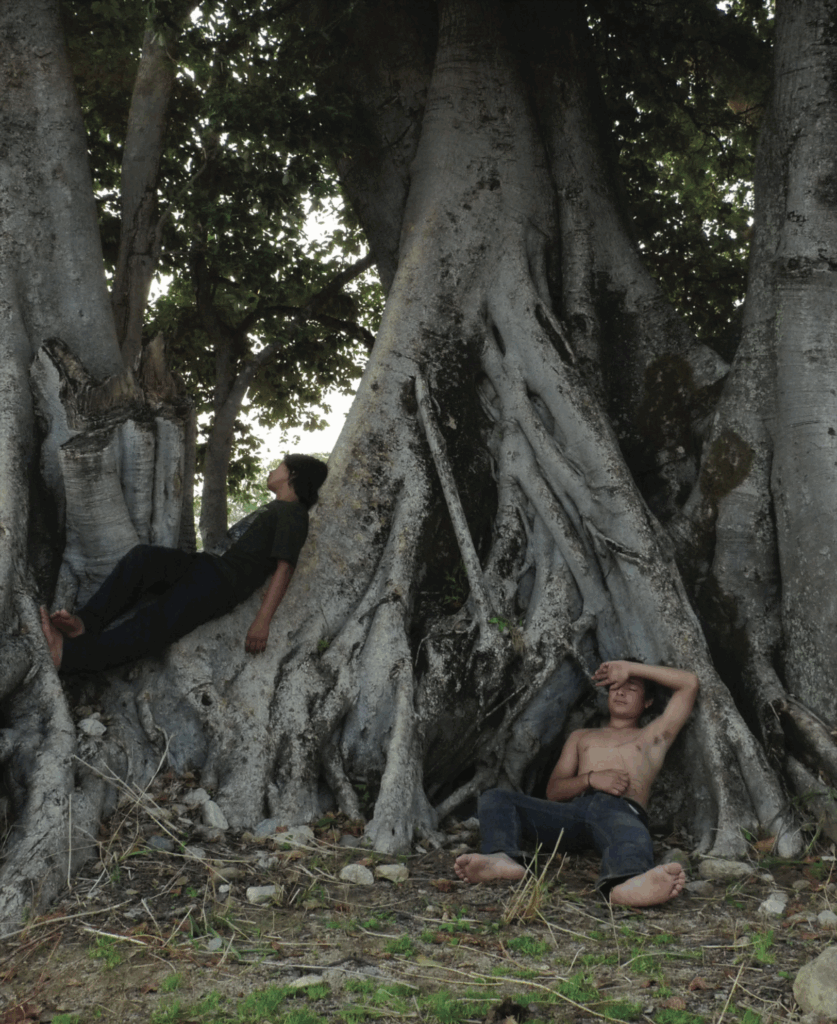
La Jaula de Oro also known as ‘The Golden Dream’, is a heartbreakingly poetic film with tremendous depth and emotional impact. It follows a trio of young impoverished Central Americans who heroically make the treacherous journey on The Beast (train) while risking their lives to reach an illusory dream of life in the US.
The director, Diego Quemada-Diez, known for his cinematic eye and expertise with a hand-held camera, uses natural light as he captures the beauty of the landscape where lush jungles, mountains and crystalline rivers are plentiful as the travelers make their dangerous trek to cross borders in their quest for a better life. The first-time actors, Juan, (Brandon López) and Sara, (Karen Martínez) are perfectly cast with Chauk, (Rodolfo Domínguez) a Tzotzil Indian who speaks little Spanish while the others do not understand his Mayan language. They must develop a relationship based on a shared need to find their way in a world that has neglected and forgotten them. Playful moments of humor exists too as the main characters enjoy a village carnival or when trying to capture a squawking chicken to cook for dinner.
The film is based on the director’s extensive years of research, listening intently to true stories shared with him by real life immigrants who have survived this journey. The script is lyrical and uses silence very thoughtfully allowing the audience to hear the sounds of nature, the rumbling train, a horse galloping down the center of a village. The silence encapsulates the loneliness of such a journey but also the internal thoughts and personal struggles to remain courageous. In one scene we witness Chauk alone quietly sitting high atop a tree as if to say the mystery of life and nature continues to exist within the complexities of an uncertain future. There is a palpable tension when the harrowing journey unfolds knowing that at any moment unscrupulous men will threaten their safety and even their lives. The film’s musical score is superb and follows the rhythm of the train and the mournfulness of young and old who decide to travel to a distant unknown land for the sheer sake of survival. The beastly train becomes an additional character with its force and ability to change lives whether for good or bad. La Jaula de Oro is a powerful film born of the real pain migrants face and the heroic will it takes to embark upon such an odyssey. Diego Quemada-Diez has created a masterpiece; with his poetry, writing and directing he is poised to take his place among the classic filmmakers.